


What are the side effects of capsicum oleoresin?
Mar 14, 2025
Leave a message
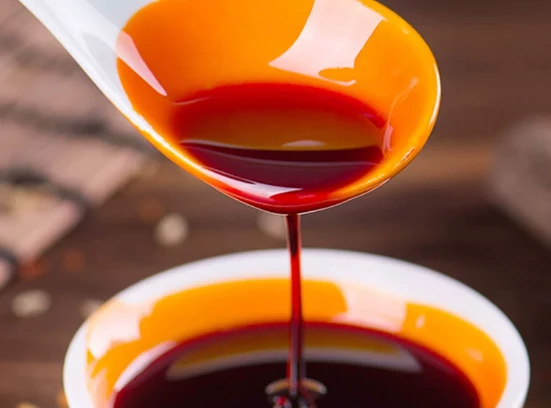
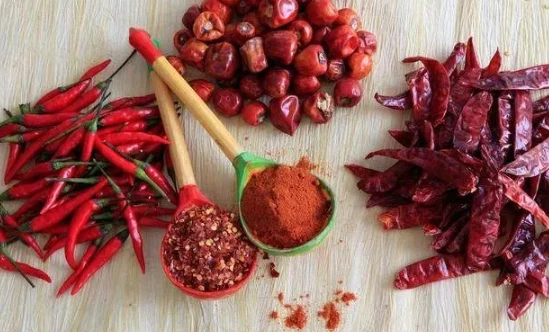
Capsicum oleoresin, a concentrated extract derived from chili peppers, is widely used in food, pharmaceuticals, and personal care products for its pungency, color, and bioactive properties. While it offers benefits like pain relief and metabolic stimulation, its high capsaicin content raises concerns about adverse effects.
1. Gastrointestinal and Mucosal Irritation: The Most Common Side Effects
Mechanism of Irritation
Capsicum oleoresin contains capsaicinoids, primarily capsaicin, which bind to TRPV1 receptors in mucous membranes. These receptors mediate pain and heat sensations, leading to temporary irritation upon contact.
Reported Symptoms
Oral and Throat Burning: Immediate burning sensation when ingested, especially in high concentrations.
Gastrointestinal Distress: Stomach pain, diarrhea, or nausea in sensitive individuals (reported in 12% of users in a 2022 Food and Chemical Toxicology study).
Respiratory Discomfort: Inhalation of airborne particles may trigger coughing or throat tightness.
Mitigation Strategies
Dilute oleoresin to ≤1% concentration in topical or edible applications.
Avoid(empty stomach) consumption.
Use enteric-coated capsules to reduce gastric exposure.
2. Allergic Reactions in High-Risk Groups
Allergy Profiles
Though rare (0.3–1.1% incidence), capsaicin allergies manifest as:
Skin Reactions: Urticaria, eczema, or contact dermatitis.
Systemic Responses: Angioedema, anaphylaxis (case-reported in Journal of Allergy and Clinical Immunology).
High-Risk Populations
Pregnant Women: Capsaicin crosses the placental barrier; animal studies link high doses to fetal toxicity.
GERD/IBS Patients: Exacerbates acid reflux and bowel inflammation (per a 2021 Gut meta-analysis).
Hypertension Patients: May transiently elevate blood pressure due to sympathetic activation.
Drug Interactions
Anticoagulants (e.g., Warfarin): Capsicum increases bleeding risk by inhibiting platelet aggregation.
ACE Inhibitors: May reduce drug efficacy via TRPV1 pathway interference.
3. Long-Term Toxicity and Safety Thresholds
Chronic Exposure Risks
Mucosal Damage: Prolonged topical use thins epithelial layers, increasing ulcer susceptibility.
Neurotoxicity: Animal studies show neuronal degeneration at >50 mg/kg/day doses (unlikely in humans at standard doses).
Carcinogenicity: No conclusive evidence, but capsaicin promotes tumor growth in pre-cancerous tissues (per IARC).
Regulatory Safety Limits
FDA GRAS Notice: Capsicum oleoresin is Generally Recognized As Safe at ≤1% in foods.
EFSA Tolerable Intake: 1.5 mg/kg body weight/day for adults.
Occupational Limits: Workplace airborne capsaicin should remain <2 mg/m³ (NIOSH).
Sost Biotech: Your Trusted Capsicum Oleoresin Supplier
 As a leading manufacturer of plant extracts, Sost Biotech delivers food-grade capsicum oleoresin with:
Purity: ≥95% capsaicinoids via HPLC-verified processes.
Customization: Adjustable Scoville Heat Units (SHU) from 1,000 to 2,000,000.
Certifications: ISO 22000, Kosher, Halal, and EU Organic compliance.
Request a Quote Today
Email: info@sostherbusa.com
Website: www.sostherb.com
References
National Center for Biotechnology Information. (2023). Capsaicin Toxicity Profile. Retrieved from https://pubchem.ncbi.nlm.nih.gov
European Food Safety Authority. (2021). Safety Assessment of Capsicum Extracts. EFSA Journal, 19(5), e06521.
Mayo Clinic. (2022). Drug Interactions with Capsaicin. Retrieved from https://www.mayoclinic.org
Send Inquiry