



Alpha Arbutin Powder
Xi'an Sost Biotech Co.,Ltd. : Your Professional Alpha Arbutin Powder Manufacturer!
Our Company was established in 2004 and registered in Xi'an High-tech Zone. Our company is committed to the separation, purification, and attribute separation of high-purity natural products, as well as the research and development, production and sales of raw material, intermediate and natural extracts.
Rich Product Variety
Our company can produce herbal extracts, fruit and vegetable powders, food additives, natural chlorophyll powder, andrographis extract powder, apple extract powder, papaya extract, Ophiopogon extract, etc.
Multiple Product Production Lines
Our company has high-quality product production lines: health food raw materials, food raw materials, cosmetic raw materials, high-content monomer products, liquid raw materials production lines.
Leading Service
We have many years of industry experience and a complete production management, quality supervision, sales service operation system. Whether you want to buy herbal extracts or food additives, just send your requirements by email and we can customize the product for you.
GMP Standard Factory
We have a GMP standard factory building and a thousand-level chemical workshop. The company has established and improved the production system and quality assurance system in full accordance with the national GMP standards, fully ensuring the safety, effectiveness and stability of the products.

Glutathione Powder for skin is a form of the naturally occurring antioxidant glutathione, which is used in skincare and health supplements for its various skin benefits.
Kojic Acid Dipalmitate Powder is a derivative of kojic acid, often used in skincare products for its skin-lightening properties. Kojic Acid Dipalmitate is a modified form of kojic acid, a chelating agent produced by several species of fungi, including the fermentation of rice by the fungus Aspergillus oryzae. The dipalmitate form is created by esterifying kojic acid with palmitic acid, which enhances its stability and ability to penetrate the skin.
Hyaluronic Acid Powder is a form of hyaluronic acid (HA) used in various skincare products and supplements. It is a key molecule in skin health, particularly known for its ability to retain moisture and improve skin hydration.

Rhodiola Rosea Powder Extract is derived from the roots of the Rhodiola rosea plant, a perennial flowering plant that grows in cold, mountainous regions. This extract is well-known for its adaptogenic properties, meaning it helps the body adapt to and resist stress. In both traditional medicine and contemporary health supplements, Rhodiola Rosea is used for a variety of health benefits.

Hydrolyzed Pearl Powder is a form of pearl powder that has been processed to break down the larger protein structures into smaller peptides, making it easier for the skin to absorb. This ingredient is derived from pearls, often those from freshwater or saltwater oysters, and is used in various beauty and skincare products for its potential benefits.

Purslane Extract Powder is derived from the plant Portulaca oleracea, commonly known as purslane, which is a succulent plant found in various regions around the world, including parts of Europe, Asia, Africa, and North America. Purslane is not only edible but also has a long history of use in traditional medicine and is increasingly popular in skincare products due to its rich nutrient and phytochemical content.
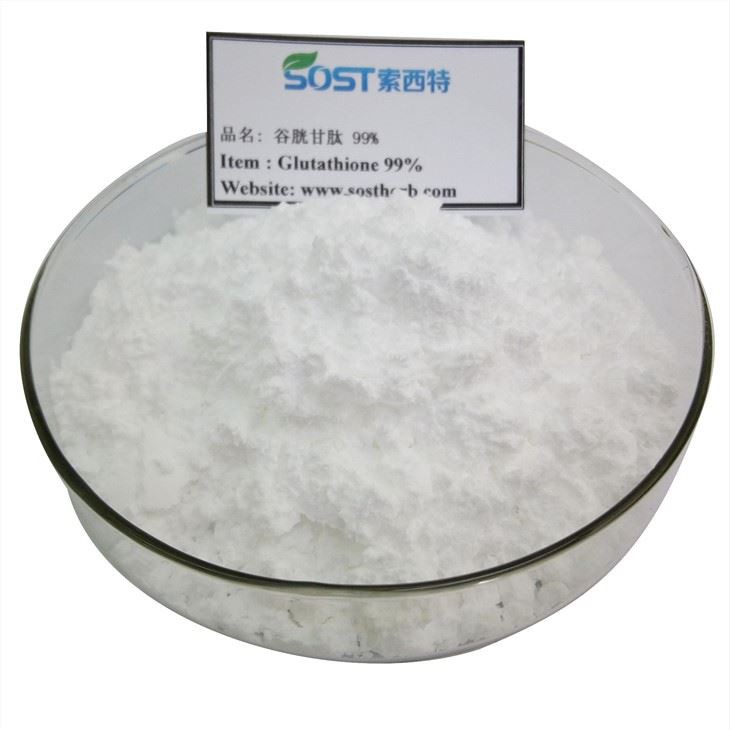
Pure Glutathione Powder is a supplement form of glutathione, a powerful antioxidant produced naturally by the liver from the amino acids glycine, cysteine, and glutamate.

L-Glutathione Powder is a form of glutathione, a tripeptide composed of three amino acids: glutamate, cysteine, and glycine. In its L-form, it refers to the naturally occurring isomer of glutathione that is biologically active. This powder is often used as a dietary supplement for its antioxidant properties and its role in various cellular processes.

Aloe Vera Powder Gel is a dehydrated form of aloe vera gel, which is typically derived from the inner fillet of the aloe vera leaf. This powder is made by removing the water content from the gel, leaving behind a concentrated, stable form of aloe vera that can be easily reconstituted by adding water. It's widely used in the food, cosmetic, and pharmaceutical industries due to its various beneficial properties.
What is Alpha Arbutin Powder
Alpha Arbutin Powder, also called Hydroquinone β-D-glucopyranoside, is a naturally occurring antioxidant and skin brightener that is naturally found in the bearberry plant. It reduces melanin formation, improving the appearance of age spots, freckles, melasma, and post-inflammatory pigmentation.
Smoothens the Skin Tone
Arbutin works on the skin texture, calming the uneven complexion down. It brightens the skin and provides a radiant glow to it. It also fades out the acne scars (notably, the red and purple ones), which hang around for long after those severe zits are gone.
Moisturises the Skin to a Satisfactory Extent
If you have a dry and scaly skin, you can significantly benefit from arbutin's topical use. It protects and nourishes the skin, giving you a smoother, youthful look.
Protects the Skin Against the Free Radical Damage, Induced By Uv Rays
Alpha Arbutin Powder has antioxidant properties, enabling it to maintain the balance of free radicals in the body. It tends to neutralize the free radicals and helps fight the early signs of aging, such as wrinkles and full lines.
Less Irritating on the Skin
Alpha Arbutin Powder releases its active component (hydroquinone) slowly into the skin, making it less irritating than the other skin-lightening ingredients.
How to Mix Alpha Arbutin Powder
Dissolving Alpha Arbutin
Pure alpha arbutin comes in powdered form. This powder must not be applied directly into a skin because it's too potent and may cause a burning sensation. In addition, it cannot be mixed directly into a skin care product without being dissolved first. If it isn't dissolved, the arbutin will just sit in the product like flaky chunks of powder and won't spread evenly across your skin. While it hasn't been studied thoroughly, alpha arbutin's shelf life is roughly 12 months. If you plan on using it every day, use 20–25 grams (0.71–0.88 oz) or more. If you only plan on using alpha arbutin on occasion, use 10–15 grams (0.35–0.53 oz).
Adding the Dissolved Solution to Lotions and Creams
Choose a water-based cream or lotion to mix with the solution. Dissolved alpha arbutin is generally safe in any skin care product that is applied directly to the skin so long as it makes up less than 2% of the total composition of a face cream, and 0.5% of a body lotion. Choose a lotion or cream that you use regularly to combine with your dissolved alpha arbutin.
● Measure How Much Lotion or Cream You're Going to Use.
Use a measuring cup to measure out how much skin care product you want to mix. Set a small measuring cup down and pour your skin product into the cup to measure it. Write this measurement down.
● Calculate How Much Dissolved Arbutin You Need to Make a 2% or 0.5% Mixture.
For body lotions, add 0.5% of the product's volume to the lotion. If you're adding it to a facial cream, add 2%.
● Fill a Measuring Cup With 0.5-2% of Dissolved Arbutin or Use a Dropper.
If you're using making a large amount, feel free to measure out the dissolved alpha arbutin using a standard measuring cup. If you're only adding a few drops, it can be quite difficult to do this with a standard measuring cup. Use a dropper instead by soaking up a small amount of dissolved arbutin into the glass tube.
● Add the Dissolved Arbutin to Make Your Mixture.
If you're using a measuring cup, pour the arbutin directly into the cream or lotion. If you're using a dropper, apply the drops individually by adding them one at a time. A single drop from a dropper bottle is the equivalent of 0.05 mL (0.00021 c).
● Mix the Cream or Lotion With a Spoon or Mixing Stick.
Once you've added your dissolved arbutin, mix it into the cream or lotion. Use a small spoon or a wooden mixing stick. Stir gently for 30-45 seconds until you see the dissolved arbutin thoroughly mixed into the cream or lotion. Once done, store the cream or lotion in an airtight plastic container.
● Label Your Cream or Lotion and Store it in a Dark Area.
Clearly mark the label of your lotion or cream to ensure that you know you've already mixed alpha arbutin into it. Store your cream or lotion at room temperature and keep it out of direct sunlight to ensure that it remains stable.
1) Vitamin C
It is an effective antioxidant that helps brighten the skin tone, reduce signs of aging, and fight free radical damage. Using vitamin C with arbutin can give your skin a subtle glow while evening out the skin tone. And, you can easily mix alpha arbutin with vitamin C serums.
2) Niacinamide (Vitamin B3)
Niacinamide is another powerful antioxidant. Apart from improving skin elasticity, it also hydrates the skin. If used alongside alpha-arbutin, it reduces the pore size, lightens the skin, and fights blemishes. If your primary concern is to deal with hyperpigmentation, apply the alpha-arbutin first. Then wait for a few minutes to let it absorb into your skin properly. Now, layer on niacinamide and allow it to dry. However, if you have oily skin, start with niacinamide. Then, put arbutin. Use both the ingredients in the morning and at night.
Certificate

Frequently Asked Questions
Hot Tags: alpha arbutin powder, China alpha arbutin powder manufacturers, suppliers, factory, organic Astaxanthin, best Astaxanthin Powder Bulk, Bulk Astaxanthin, Astaxanthin for sale, pure Hydrolyzed Keratin Powder, Astaxanthin price
You Might Also Like


Send Inquiry