


What is Rhodiola rosea extract used for?
Feb 02, 2024
Leave a message
What is Rhodiola rosea extract used for?
Introduction
Rhodiola rosea, often referred to as golden root or arctic root, is a perennial flowering plant that grows in cold, mountainous regions of the world. It has been used for centuries in traditional medicine practices across Europe and Asia to increase physical endurance, longevity, resistance to high altitude sickness, and to treat a range of health conditions including fatigue, depression, and anxiety. The extract from Rhodiola rosea is rich in phenolic compounds, with salidroside and rosavins being the most studied for their adaptogenic properties.
Adaptogenic Properties
Rhodiola rosea extract is best known for its adaptogenic properties. Adaptogens are natural substances that help the body adapt to stress and exert a normalizing effect upon bodily processes. They are believed to:
Enhance the body's resistance to stress
Support healthy adrenal function
Balance the body's metabolic processes

Mental Health and Cognitive Functions
Stress Reduction: Rhodiola has been shown to reduce the secretion of cortisol, a stress hormone, during stressful situations, helping to manage stress more effectively.
Fatigue: It helps combat fatigue that occurs from stress and intense activities by increasing energy levels and endurance.
Depression and Anxiety: Several studies suggest that Rhodiola rosea has antidepressant properties by balancing the neurotransmitters in the brain, potentially offering benefits for people suffering from depression and anxiety.
Cognitive Function: There is evidence to suggest that Rhodiola can improve cognitive functions such as memory, attention, and learning by enhancing cerebral circulation.

Physical Performance and Recovery
Exercise Performance: Rhodiola may improve physical performance by reducing perceived exertion, which allows individuals to maintain effort for longer periods.
Recovery After Exercise: Its antioxidant properties help reduce recovery time by minimizing muscle damage and oxidative stress from physical exercise.
Other Uses
Heart Health: By influencing levels of stress hormones and providing antioxidant protection, Rhodiola may contribute to cardiovascular health, potentially helping to lower blood pressure and reduce heart disease risk.
Diabetes Management: Some research suggests Rhodiola may help control blood sugar levels by improving insulin sensitivity.
Immune System Boost: Its antioxidant properties may also support the immune system by protecting cells from damage and infections.
Weight Management: There is preliminary evidence that Rhodiola may aid weight loss efforts by activating adipose tissue lipase, an enzyme responsible for the breakdown of stored fat.
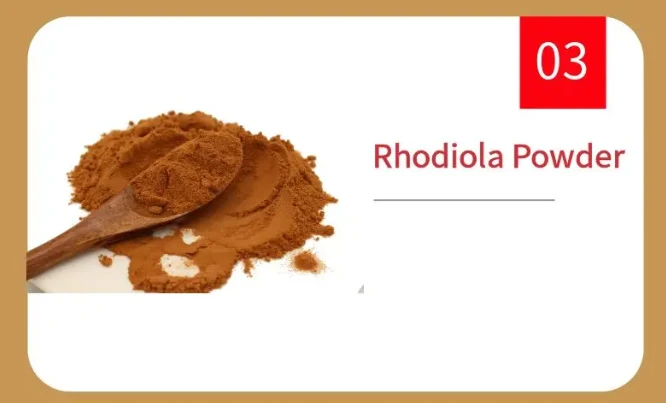
Safety and Dosage
Rhodiola rosea is generally considered safe for most people when consumed in recommended amounts. However, potential side effects include dizziness, dry mouth, or insomnia, primarily if taken in high doses or late in the day. Pregnant or breastfeeding women, individuals with bipolar disorder, or those on medication should consult a healthcare provider before use.
The effective dosage can vary depending on the extract's concentration of active compounds, typically ranging from 100 to 600 mg per day, taken in single or divided doses.
Conclusion
Rhodiola rosea extract stands out as a versatile natural remedy with a wide range of applications, from enhancing mental and physical performance to supporting overall health and well-being. Its adaptogenic, anti-fatigue, and neuroprotective properties make it a valuable supplement for managing stress, improving cognitive function, and boosting physical endurance and recovery. As with any supplement, it's essential to approach Rhodiola rosea use with mindfulness to dosage and individual health conditions, ideally under the guidance of a healthcare professional.
Send Inquiry