


What foods are high in phosphatidylserine?
Jul 28, 2023
Leave a message
What foods are high in phosphatidylserine?
Phosphatidylserine (PS) is a phospholipid that plays a significant role in the structure and function of cell membranes, particularly in the brain. While PS can be synthesized by the body, it is also obtained from dietary sources. Here is a detailed description of various foods that are high in phosphatidylserine:
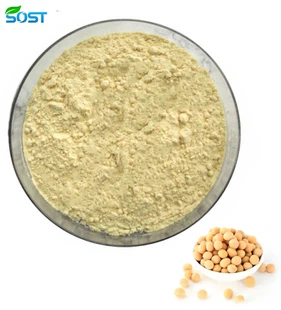
Organ meats: Organ meats, such as liver and kidney, are excellent sources of phosphatidylserine. They are known to contain high levels of this phospholipid. For example, beef liver contains approximately 713 mg of phosphatidylserine per 100 grams.
Fish: Particularly, fatty fish like mackerel, herring, and salmon are good sources of phosphatidylserine. These fish species contain around 480-550 mg of phosphatidylserine per 100 grams.
White beans and soy products: White beans, including navy beans and soybeans, are rich in phosphatidylserine. Soy-based products like tofu and soy milk are also good sources. On average, white beans contain approximately 160-190 mg of phosphatidylserine per 100 grams.
Chicken heart: Chicken hearts are another animal-derived food that contains phosphatidylserine. Their phosphatidylserine content is estimated to be around 150 mg per 100 grams.
Egg yolks: Egg yolks are known to contain small amounts of phosphatidylserine. The exact content may vary depending on the size of the egg, but it is generally around 60-70 mg per yolk.
Krill oil: Krill oil, a supplement derived from tiny crustaceans called krill, is a concentrated source of phosphatidylserine. It is available in capsule form and provides around 150-200 mg of phosphatidylserine per serving.
Cow's milk: While the phosphatidylserine content in cow's milk is relatively low, it can still contribute to the dietary intake. On average, cow's milk contains approximately 5-10 mg of phosphatidylserine per liter.
Vegetables: Some vegetables contain phosphatidylserine in smaller amounts. Examples include white cabbage, broccoli, and corn. However, the exact content may vary, and vegetables are not as potent a source as animal-derived foods.
It's important to note that the phosphatidylserine content mentioned here is approximate and can vary depending on factors such as the specific variety, preparation methods, and processing techniques. Furthermore, the bioavailability of phosphatidylserine from different food sources may also differ. Therefore, it is advisable to consult a healthcare professional or a registered dietitian for personalized information and recommendations regarding your dietary needs.
Send Inquiry