


How to Make Apple Cider Vinegar Powder and How to Store It?
Feb 21, 2025
Leave a message
Apple cider vinegar (ACV) is celebrated for its health benefits, culinary versatility, and natural cleaning properties. However, its liquid form can be inconvenient for certain uses, such as travel, cooking, or supplement formulations. Enter apple cider vinegar powder-a shelf-stable, lightweight alternative that retains the core benefits of liquid ACV.
1. Apple Cider Vinegar Powder Benefits and Uses
Key Benefits
Portability: Ideal for travel, camping, or adding to on-the-go recipes.
Long Shelf Life: Properly stored powder lasts longer than liquid ACV.
Versatility: Easily incorporated into capsules, seasonings, baked goods, or skincare products.
Concentrated Nutrition: Retains acetic acid, probiotics, and antioxidants found in liquid ACV.
Popular Uses
Dietary Supplements: Encapsulated powder for daily consumption.
Cooking: Adds tanginess to dry rubs, soups, or dressings.
Beauty DIYs: Used in face masks, bath salts, or exfoliants.
Cleaning: Mixed with baking soda for scrubbing pastes.
2. Step-by-Step Guide to Making Apple Cider Vinegar Powder at Home
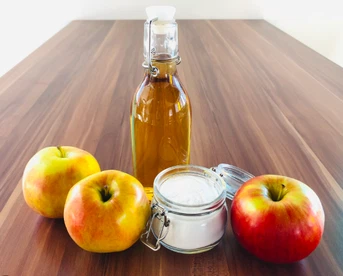
Materials Needed
2 cups raw, unfiltered apple cider vinegar (with "the mother")
1 cup maltodextrin or tapioca starch (as a drying agent)
Spray bottle or silicone baking mat
Food dehydrator or oven
Blender or coffee grinder
Airtight storage containers
Instructions
Step 1: Prepare the ACV-Maltodextrin Mixture
Mix 1 part maltodextrin with 1 part apple cider vinegar in a bowl. Maltodextrin absorbs liquid and helps create a powder consistency. Adjust ratios for thicker or finer textures.
Step 2: Spread the Mixture
Pour the mixture onto a silicone baking mat or parchment paper. Use a spatula to spread it thinly (1–2 mm thick) for even drying.
Step 3: Dehydrate
Food Dehydrator: Dry at 135°F (57°C) for 6–8 hours.
Oven Method: Bake at the lowest temperature (150°F/65°C) with the door slightly open for 8–10 hours.
Step 4: Grind into Powder
Once fully dried (brittle, no moisture), break the mixture into chunks and blend in a high-speed grinder until powdery. Sift to remove clumps.
Step 5: Test for Dryness
Ensure no dampness remains to prevent mold. Store immediately (see Section 3 for guidelines).
Pro Tips
Add a silica gel packet during grinding to absorb residual moisture.
For flavored powder, mix ACV with cinnamon or ginger before drying.
3. Best Practices for Storing Apple Cider Vinegar Powder
 Ideal Storage Conditions
Airtight Containers: Use glass jars with silicone seals or vacuum-sealed bags.
Cool, Dark Location: Avoid heat and sunlight; store in pantries or cabinets.
Low Humidity: Add food-safe desiccants (silica gel) to containers.
Refrigeration (Optional): Extends shelf life but is unnecessary if stored properly.
Shelf Life
Room Temperature: 1–2 years.
Refrigerated: Up to 3 years.
Signs of Spoilage
Clumping or discoloration.
Sour or off smell.
4.The differences between apple cider vinegar and other vinegars
Vinegar comes from the Latin word for "sour wine" and has been around for thousands of years. In addition to apple cider vinegar, there are white vinegar, aged vinegar, rice vinegar and so on. All types of edible vinegars contain acetic acid, which makes them similar in certain health benefits, such as blood sugar regulation, digestion promotion, antibacterial effects, etc.
However, apple cider vinegar has its unique health advantages: - Rich in apple polyphenols: Apple polyphenols can play a role in lowering cholesterol and anti-atherosclerosis by promoting cholesterol metabolism and digestion and inhibiting intestinal absorption.
Apple cider vinegar also contains a variety of vitamins. - Pectin and cellulose: apple cider vinegar contains a small amount of pectin, conducive to intestinal health, promote intestinal peristalsis, but also can delay the intestinal absorption of sugar and lipid.

5. Frequently Asked Questions
Q1: Can I use apple cider vinegar powder for weight loss?
A:Yes, though evidence is anecdotal. Mix 1 tsp powder into water or smoothies.
Q2: Is homemade ACV powder as effective as store-bought?
A:Commercial powders often use advanced drying techniques, but homemade versions retain core benefits if prepared correctly.
Q3: Can I substitute ACV powder for liquid ACV in recipes?
A:Yes! Use 1 tsp powder + 1 tbsp water = 1 tbsp liquid ACV.
Q3: Where can I buy apple cider vinegar powder?
A:Contact sost biotech for high quality apple cider vinegar powder
References
Healthline. Apple Cider Vinegar: Benefits, Uses, and Risks.
Medical News Today. How to Make Herbal Powders at Home.
WebMD. Apple Cider Vinegar and Weight Loss.
The Spruce Eats. Using Maltodextrin in DIY Recipe.
USDA Food Safety Guidelines. Safe Food Drying Practices.
Send Inquiry