


Does Polygonum help hair growth?
Aug 03, 2023
Leave a message
Does Polygonum help hair growth?
Throughout history, hair has been regarded as a symbol of beauty and vitality. However, various factors such as age, genetics, and lifestyle choices can lead to hair loss or thinning. As a result, people are constantly seeking effective remedies to promote hair growth. One natural solution that has gained attention in recent years is Polygonum, a herb known for its potential benefits in hair care. In this article, we will explore the scientific evidence behind the use of Polygonum for hair growth and discuss its possible mechanisms of action.
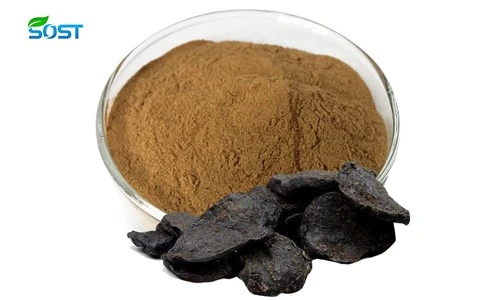
Overview of Polygonum: Polygonum, also referred to as knotweed or fleeceflower, is a member of the Polygonaceae family. It is native to East Asia and has been utilized for centuries in traditional Chinese medicine due to its diverse therapeutic properties. The plant contains various bioactive compounds, including resveratrol, quercetin, and emodin, which contribute to its potential health benefits.
Role of Polygonum in Hair Growth:
a) Anti-inflammatory Properties: Inflammation is believed to play a significant role in hair loss. Polygonum exhibits strong anti-inflammatory properties, which may help reduce inflammation in the scalp. By doing so, it may create a conducive environment for hair follicles to grow and thrive.
b) Antioxidant Effects: Oxidative stress is another factor that can contribute to hair loss. Polygonum is rich in antioxidants that help combat oxidative damage caused by free radicals. These antioxidants neutralize harmful molecules and protect the cells and structures of the scalp, potentially supporting hair growth.
c) Promotion of Blood Circulation: Adequate blood circulation is essential for delivering nutrients and oxygen to the hair follicles. Polygonum has been reported to possess vasodilatory properties, meaning it can widen blood vessels and improve blood flow. Enhanced circulation to the scalp may nourish the hair follicles, encouraging healthy hair growth.
d) DHT Inhibition: Dihydrotestosterone (DHT) is a hormone derived from testosterone that can contribute to male and female pattern baldness. Some studies suggest that Polygonum may inhibit the enzyme responsible for converting testosterone to DHT, thereby reducing its levels in the scalp. By blocking DHT production, Polygonum may help prevent or slow down hair loss.
Scientific Evidence: a) Animal Studies: Several animal studies have investigated the effects of Polygonum on hair growth. For instance, a study published in the Journal of Ethnopharmacology found that topical application of Polygonum extract on mice resulted in significant hair growth stimulation. Another study conducted on rats reported similar findings, suggesting that Polygonum may promote hair regrowth.
b) Human Studies: Despite limited human studies, there is some evidence supporting the use of Polygonum for hair growth. A study published in the Journal of Medicinal Food evaluated the efficacy of Polygonum extract in individuals with androgenetic alopecia, a common form of hair loss. The results showed a significant increase in hair density and thickness after treatment with Polygonum extract for six months.

Practical Application: If you are considering using Polygonum as a natural remedy for hair growth, here are a few practical tips:
a) Topical Application: Polygonum extract can be applied topically to the scalp in the form of serums, oils, or masks. Gently massage the product into the scalp to improve absorption and stimulate blood circulation.
b) Oral Supplementation: Polygonum supplements are available in capsule or tablet form. However, it is important to consult with a healthcare professional before starting any new supplementation regimen.
c) Combination Therapy: To maximize the potential benefits, some individuals combine Polygonum with other hair growth-promoting ingredients such as biotin, saw palmetto, or minoxidil. However, it is crucial to consult with a healthcare professional to ensure the compatibility and safety of such combinations.
Conclusion: Polygonum, with its anti-inflammatory, antioxidant, and vasodilatory properties, shows promise as a natural remedy for hair growth. While scientific evidence is still limited, early studies in animals and humans suggest its potential effectiveness. However, it is important to remember that individual results may vary, and Polygonum should not replace professional medical advice. As with any new treatment, it is advisable to consult with a healthcare professional before incorporating Polygonum into your hair care routine.
Send Inquiry